Join me as I show you how I built my concrete garden bed and why I decided to make a garden bed out of concrete. Save this post to Pinterest so you can always find it!
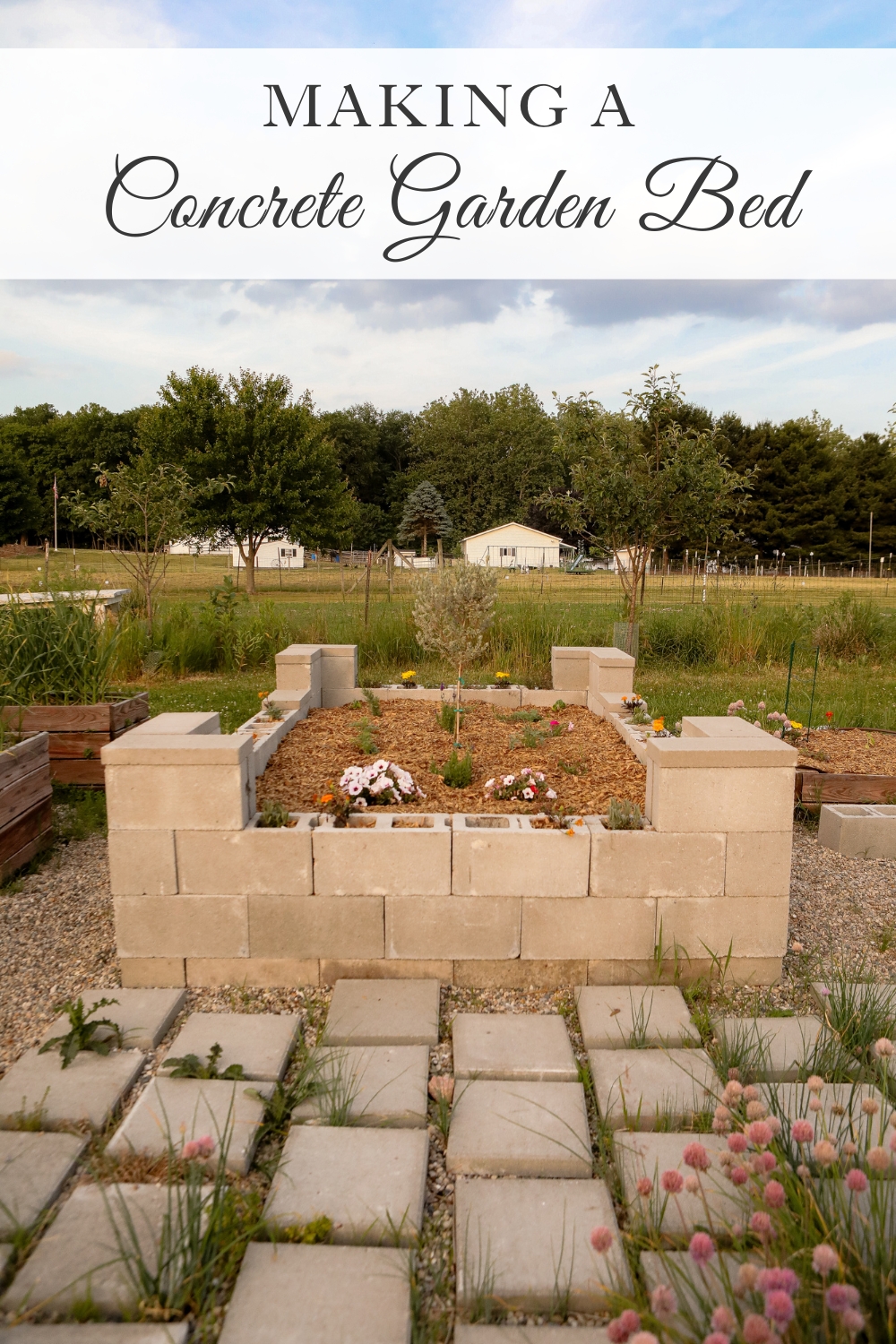
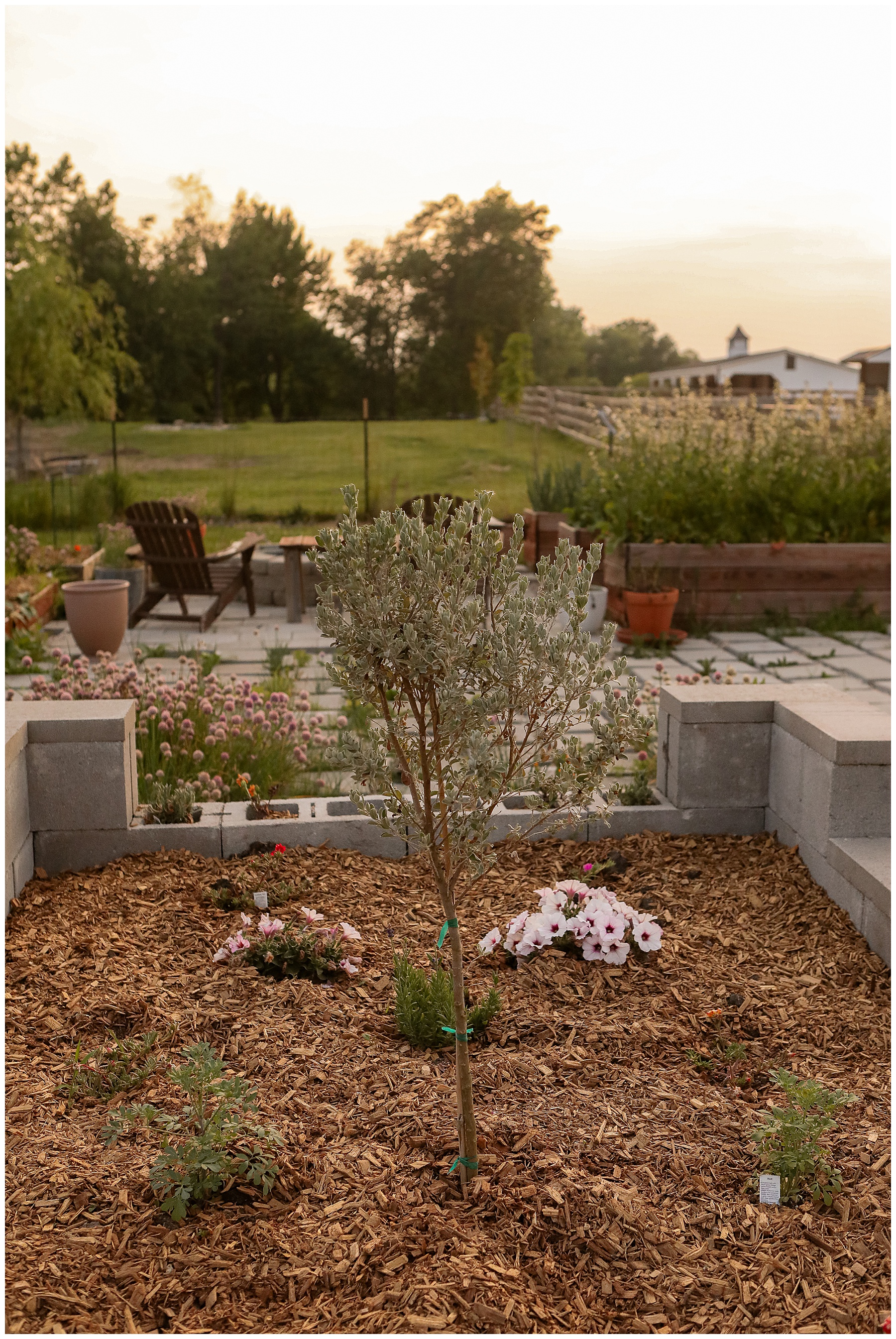
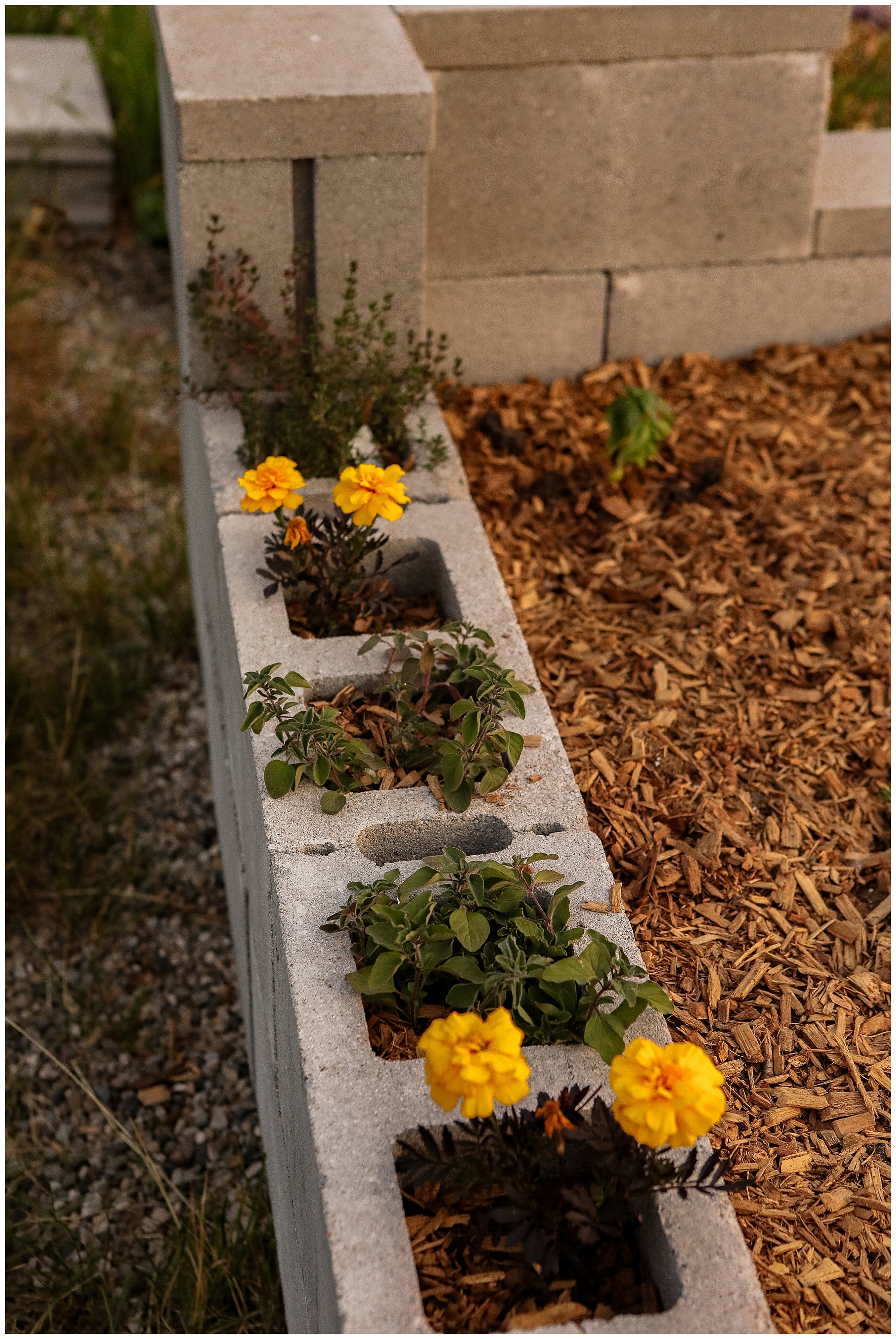
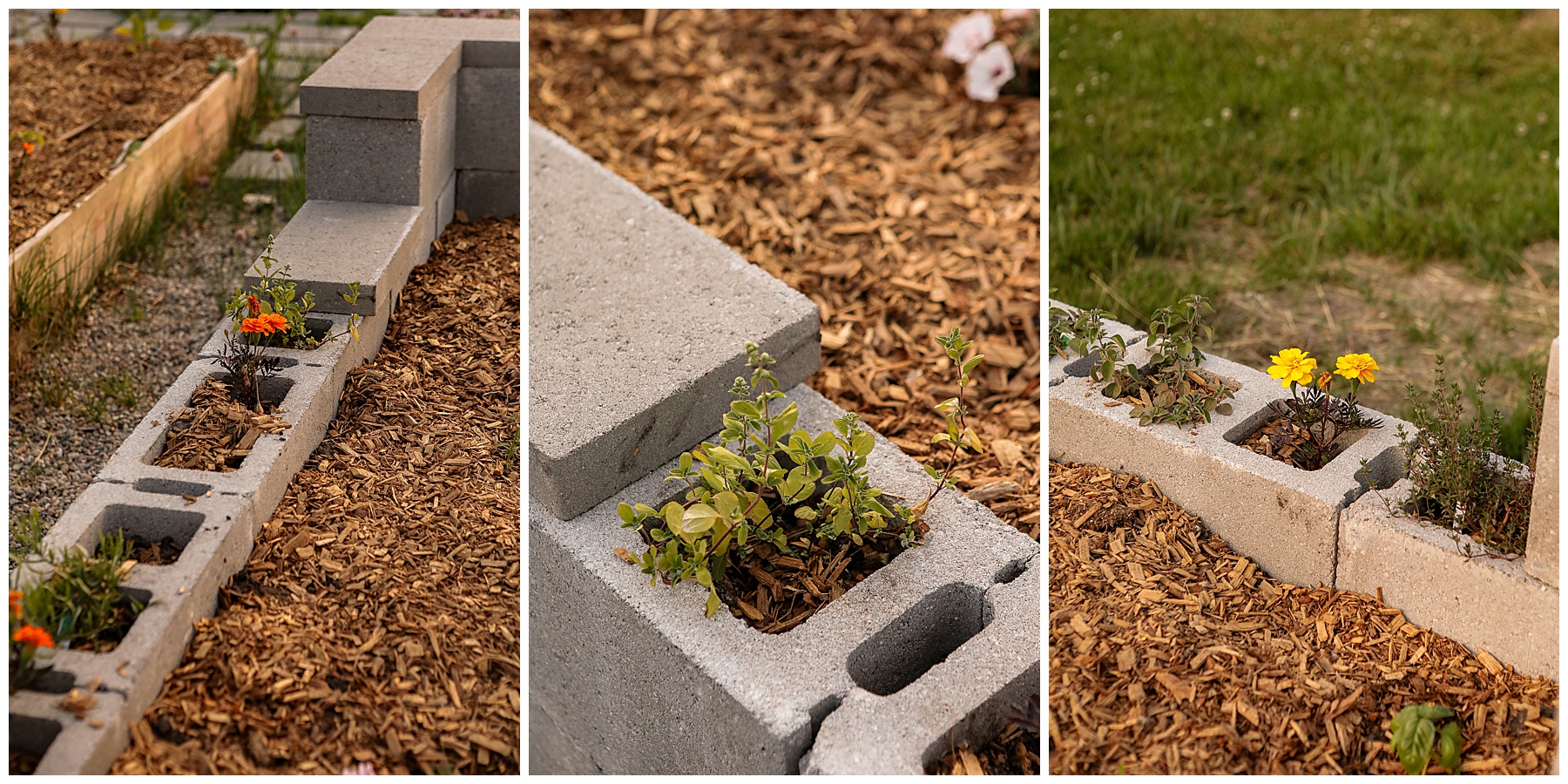
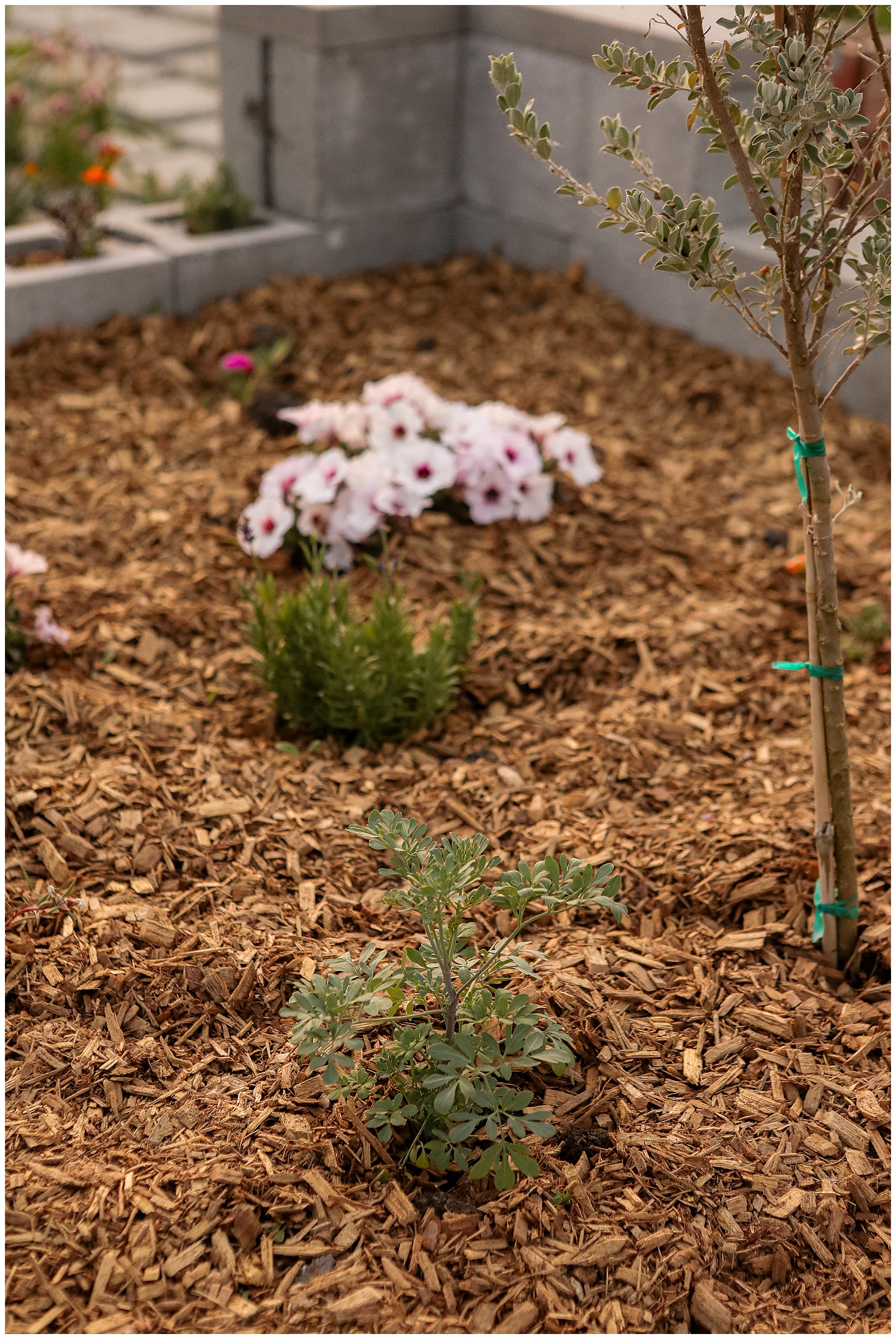
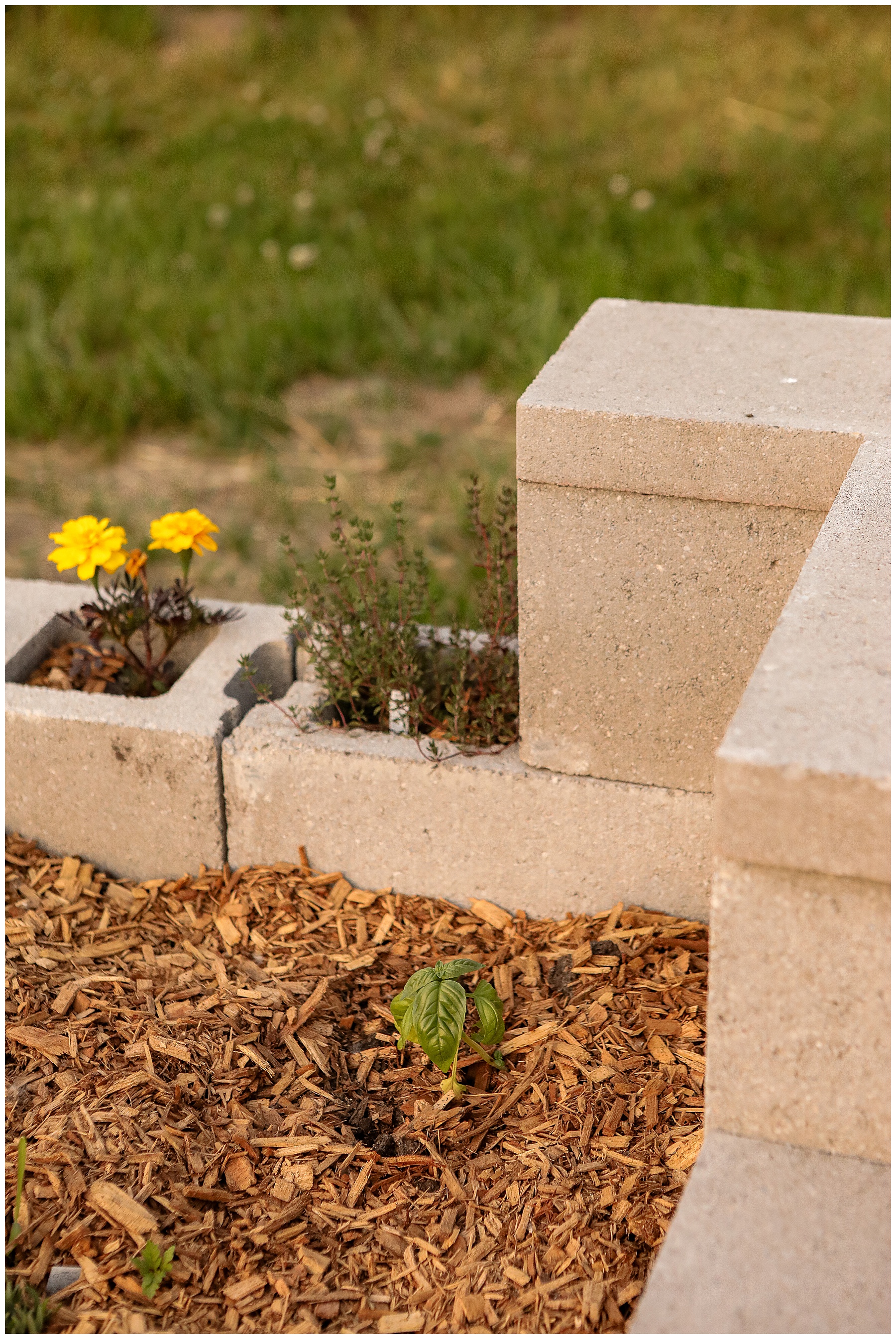
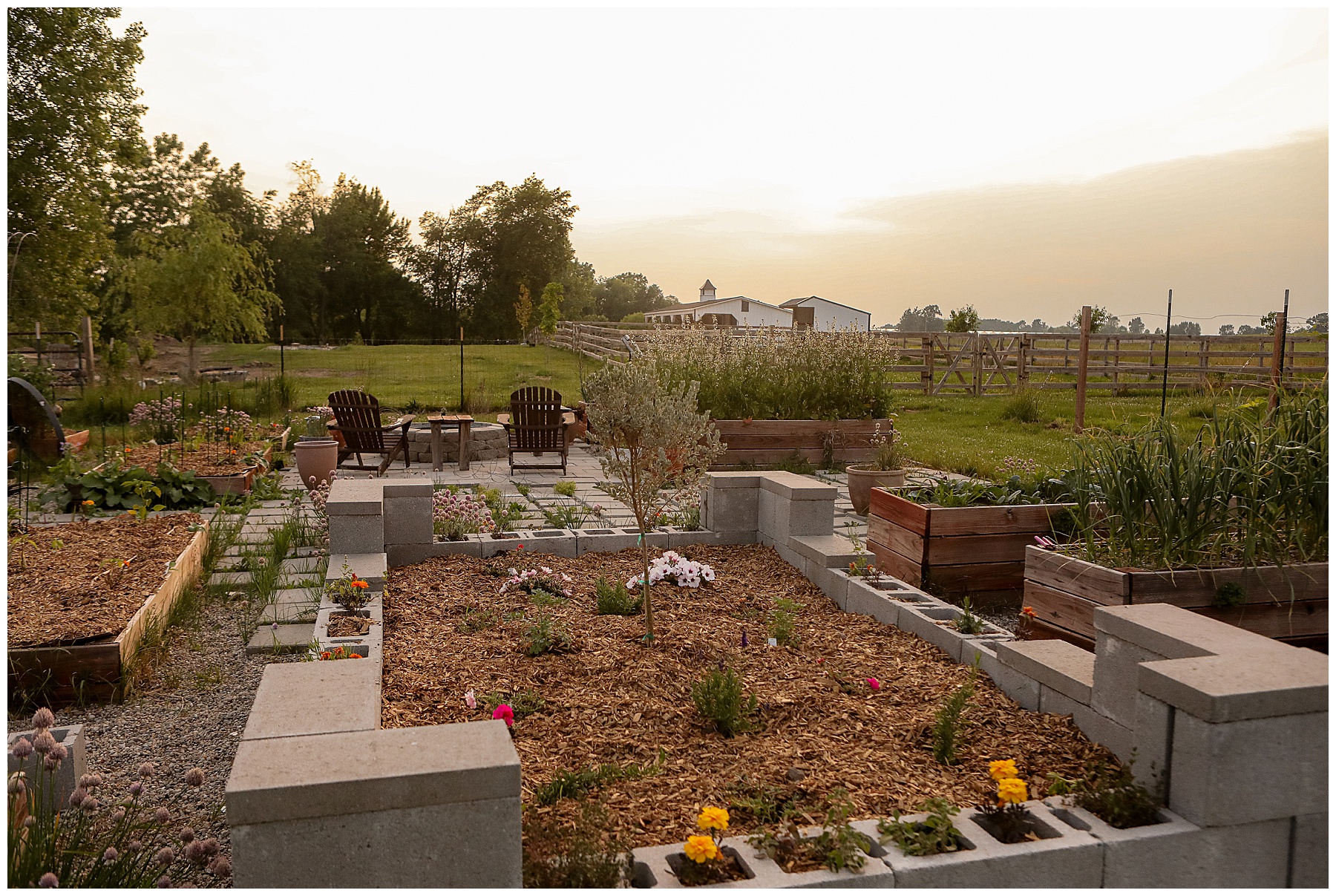
I have had my concrete garden bed for a few weeks now and I am loving it. The height is perfect, the stone looks nice in the garden, the blocks themselves work as secondary planters and overall it just adds a little charm to my garden space. Here is the story of how my concrete garden bed came to be and how you can make one too.
Why build a concrete garden bed?
Back in March (2025) I started working on a raised concrete garden bed. I had an empty space in the garden and wanted to add in a new, large garden bed. However, I wanted it to be different from my other raised garden beds that were nice, but made from wood that was already degrading and on the shorter side. I’m not getting any younger and the idea of continuing to bend as I age in the garden is just not appealing.
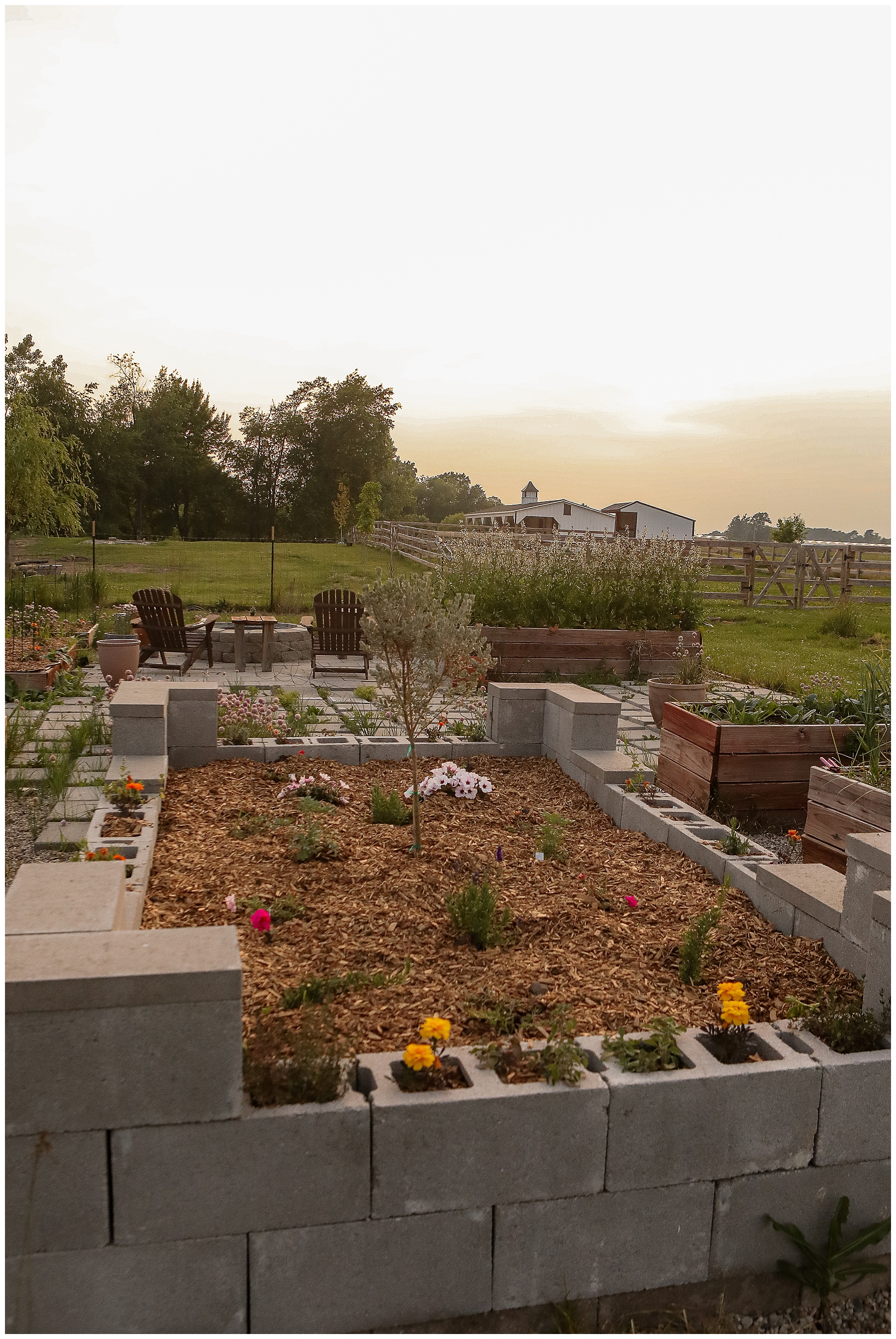
Giving it height
I already have three, taller, long garden beds that we made originally from wood and I love working in those. It is so much nicer for my knees and my back. I decided I wanted to build a bed at least as tall as those wooden beds. But, I did not want to make it out of wood because I knew in a few years I would be needing to replace it based on the current trajectory of my wooden beds. Instead, I decided to make a concrete garden bed – something that would last for a very long time, something taller and something that might give the garden a whole different look.
Cost of the bed
If I am being honest, I wish I had been building real stone beds. But stone is very expensive and I knew that if I liked this tall, concrete bed I, would want to eventually move all my garden beds to that deign. Doing that in stone would just be unaffordable. Concrete had to be the material of choice. To build the bed you see here in the photos for just the concrete pieces was about $250. The dirt was mostly free because we used the dirt from the pool dig out this season. Finally, filling with plants cost about another $75. So all in, I am around $325 for something that will stand the test of time.
We have build a real stone garden bed before. You can read that {HERE}. For comparison sake, that bed cost about $1,000 to build.

Materials I used
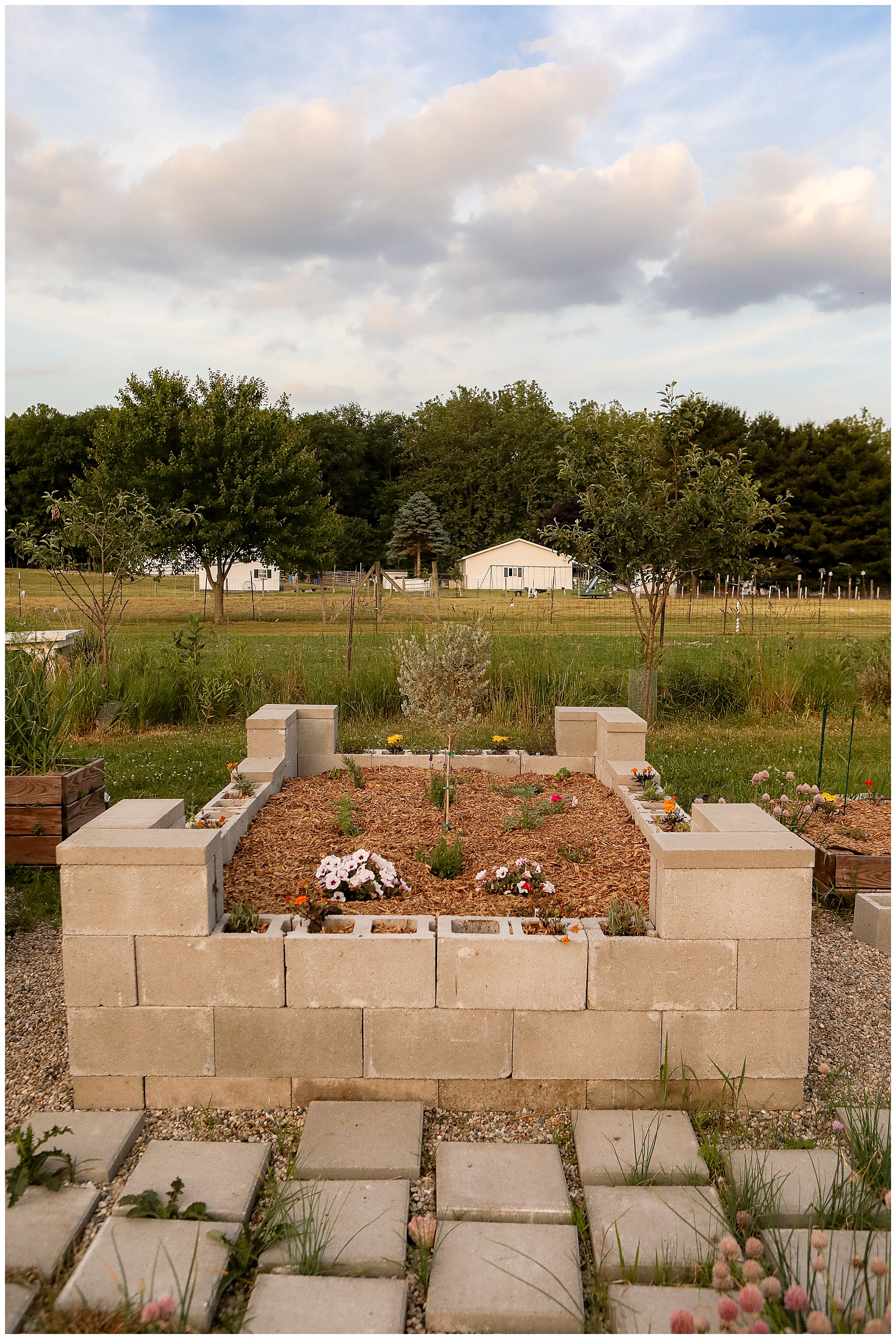
- 36 – solid concrete blocks 8x4x16 – I did not use all of these in this bed build and had a significant number left over. I am now using them to frame out my front garden beds so I can work on making those taller, concrete beds too.
- 70 – 8x8x16 concrete blocks – Again, I did not end up using all of these and have at least 10-15 left that I will be using in my front build.
- Boxes – I use boxes to cover the ground in my bed before adding dirt and used them on top of the bed before adding a layer of compost.
- Soil and compost
I did not glue these together so there is no glue or mortar involved. In my zone it is not recommended to glue or mortar brick retaining walls, stone or concrete like this because the ground freezes. Yes, a brick or three might get pushed out of place when that happens. The idea is it will be easier to fix, and allow for the initial expansion, if you do not mortar them together.
The building process
If you want to watch the building process for my concrete garden bed, the best way to illustrate that is probably through my YouTube videos where I talks about building the bed. Because this looks several weeks there are several videos with different parts of the building process. I will label them so you can watch all of them or pick and chose.
The foundation
Building the walls
Filling the bed
Concrete concerns
Some questions about “chemicals” in the concrete have come up on social media about my concrete garden bed and I would turn you to this article {HERE} from the University of Maryland Extension. It discusses making raised wood beds last longer and suggests using stone, brick or concrete blocks. It talks about the ingredients used to make concrete. The one most people talk about is fly ash, which can contain heavy metal. However, the “leeching” into the soil some people worry about is negligible. It is also used in bricks, wallboards and other building materials. The article states if you are truly worried you can seal them.
Alternatives
Most university extension sources do recommend concrete block garden beds as an alternative to wood beds and leave the comfort of using them up to the user themselves. Pressure treated wood, which is what most people use to make raised beds, also includes copper as an additive in treating the lumber. So you can either plant directly in the ground (not a choice for me in the garden because it will flood after heavy rains) or decide which raised bed material is right for you. Many, many people on social media said they were already growing their gardens in concrete garden beds and loved them.
Planting in the bed
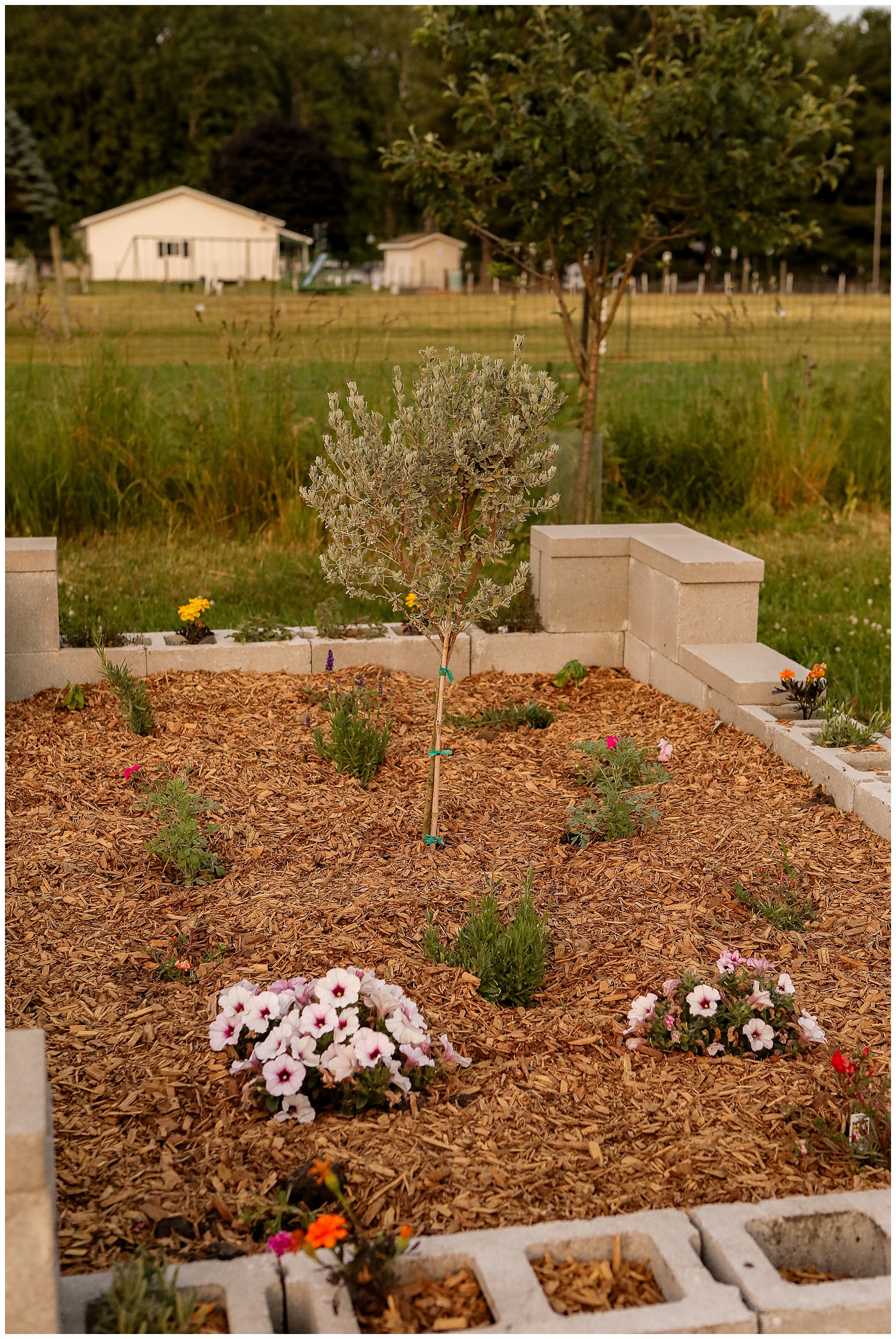
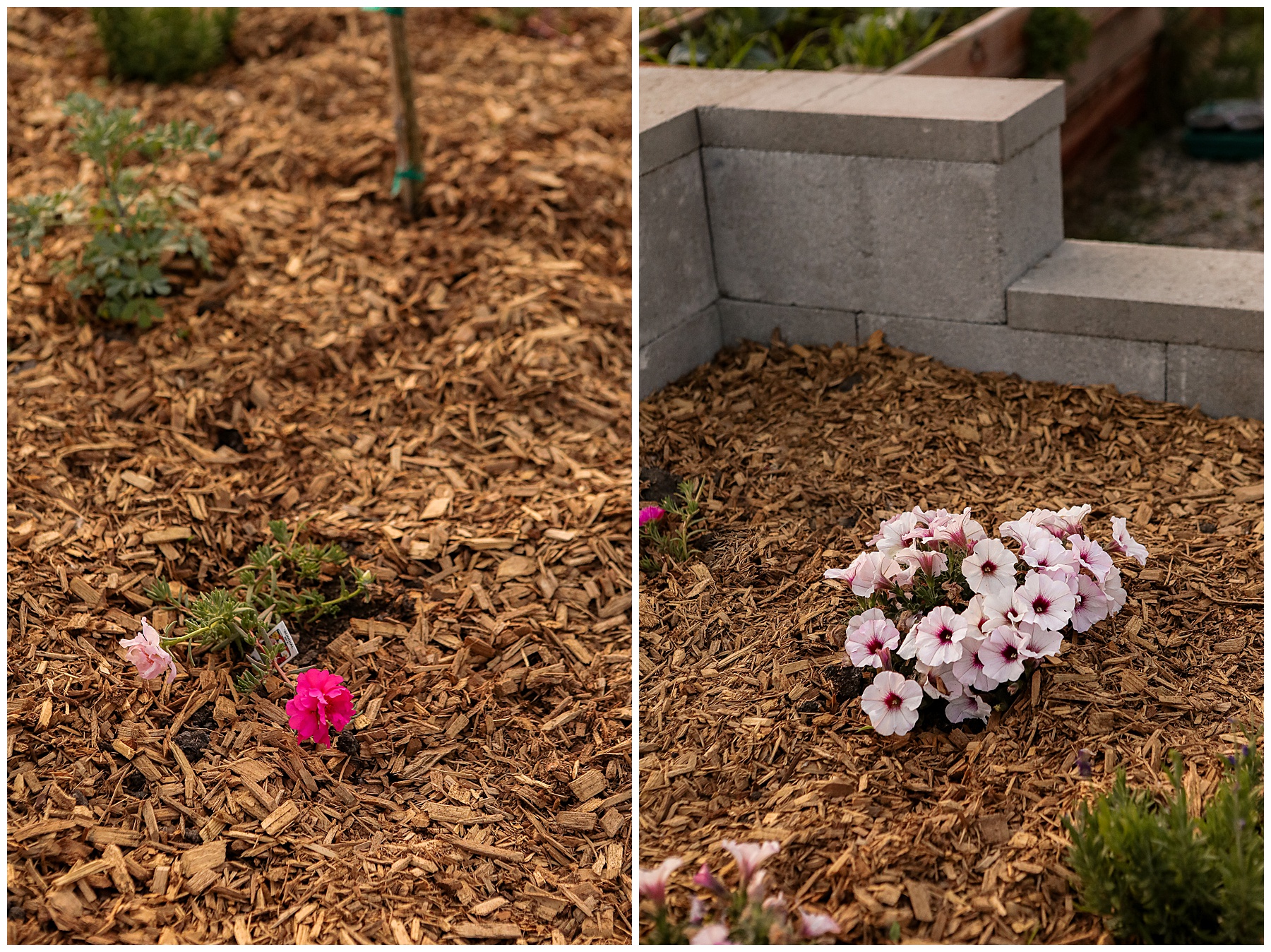
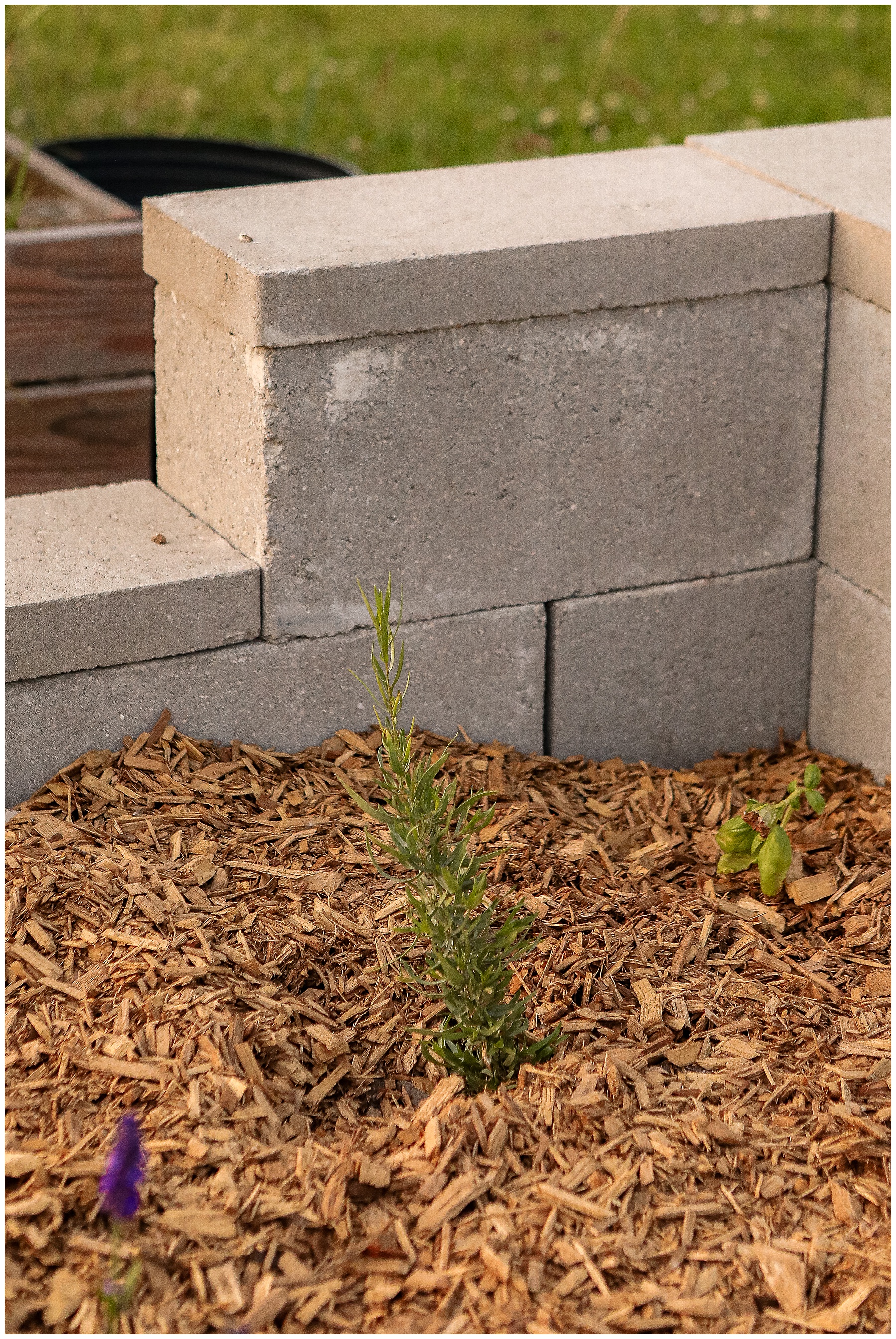
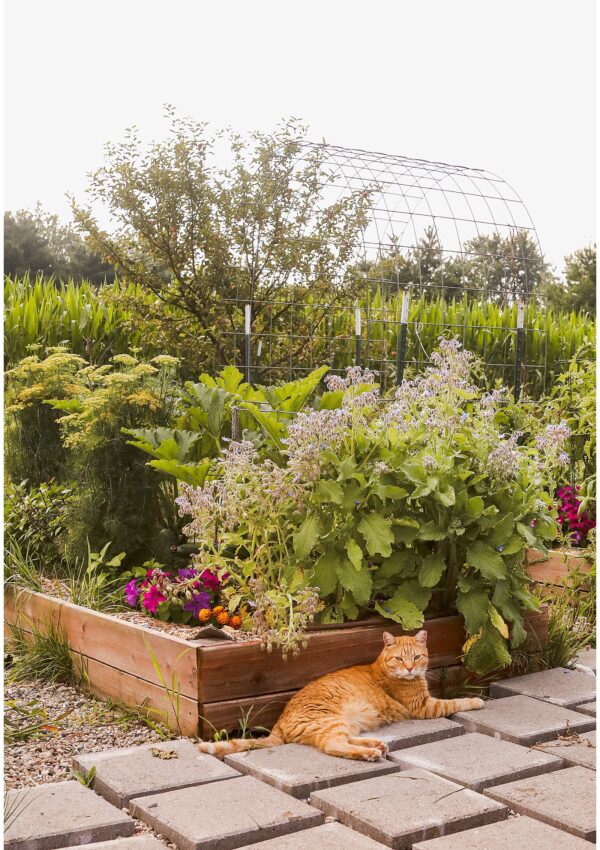
Since I am using this beds as kind of a trail bed, I decided to plant it with flowers and herbs this year. Originally, I wanted it to be more of a medicinal herb garden, but I want to be sure I feel completely familiar with those first before planting them in the garden. As I work to make the front beds concrete garden beds too this season, I will be using those more for vegetables going forward. This bed might also become a lettuce bed or whatever else I need it to be once I build up the soil for a few years.

Looking for more garden projects?
If you love a good garden project, try these too.
- 12 Cut and Come Again Flowers {HERE}
- Everything you need to know about growing tomatoes {HERE}
- How to grow bell peppers {HERE}
- Our original, inexpensive raised, wood garden beds {HERE}
- DIY Clay Plant Markers {HERE}
- Using mulch in the vegetable garden {HERE}
- DIY Flower Frogs {HERE}
- The real stone garden bed build {HERE}
Visit on our Social Channels!
- Instagram @sugarmaplefarmhouse
- Pinterest Pinterest Sugar Maple Farmhouse
- YouTube Sugar Maple Farmhouse
- Amazon Storefront Sugar Maple Farmhouse
- Facebook Sugar Maple Farmhouse
- Tik Tok Sugar Maple Farmhouse
Happy gardening season, friends! I hope we see you again soon. Please let me know if you have any questions in the comments.







Leave a Reply